%2Ffit-in%2F250x250%2Fguide_websites%2F28678%2Fimages%2F1741628720775screenshot2025-03-11014515.png&w=1920&q=100)
Broadnose Sevengill Shark Caught in Sacramento CA
Sevengill Shark Fishing in Sacramento - What to Expect
%2F%2Fusers%2Fbccae745-bd20-4f5e-b8a3-18542b056292%2Fimages%2Fsacramento-sevengill-shark-fishing-tour-2559.jpg&w=1920&q=75)
Fishing Charter by Captain James Powers in August
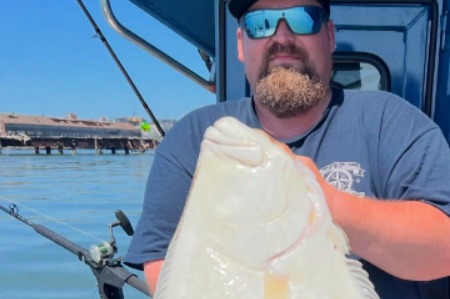
Meet your Captain James Powers
- Top San Francisco Fishing Charters



Summary
Join Captain James Powers on an adrenaline-pumping fishing charter in Sacramento, where anglers pursue powerful broadnose sevengill sharks. This Wednesday in August fishing adventure delivers heart-pounding action and unforgettable encounters with one of Northern California's most impressive predators. Experience world-class sportfishing with expert guidance.
Fishing Charter with Captain James Powers - Rates & Booking
Captain James Powers of Norcal Traditions Sportfishing on Wednesday, August 6 guides anglers through Sacramento's most electrifying shark fishing experiences. This fishing charter targets broadnose sevengill sharks, delivering intense action and technical challenges that test every angler's skills.
Book your charter online with Norcal Traditions Sportfishing to secure your spot on the water. Captain Powers brings decades of local expertise and in-depth knowledge of Sacramento's shark populations and seasonal patterns. All necessary fishing tackle and safety equipment are provided, ensuring you're fully prepared for encounters with these powerful predators.
Highlights of Sacramento Shark Fishing
The broadnose sevengill sharks prowling Sacramento's waters create explosive moments when they strike. These prehistoric predators deliver raw power and speed that electrifies every angler on deck. Captain Powers positions anglers for optimal opportunities while maintaining absolute safety protocols.
Sacramento's deep waters and unique current patterns create ideal conditions for sevengill encounters. The contrast between calm mornings and explosive mid-day strikes keeps anglers engaged throughout the entire fishing charter experience.
Local Species Insights: Broadnose Sevengill Shark
The broadnose sevengill shark represents one of Northern California's most formidable sportfish species. These prehistoric hunters cruise Sacramento's deeper waters with remarkable speed and aggression, making them prized targets for experienced anglers seeking serious challenges.
Broadnose sevengills are distinguished by their seven gill slits and robust, powerful build. They inhabit coastal and offshore waters year-round, hunting with precision and intensity. Sacramento's unique geography creates perfect conditions for these sharks to hunt efficiently, resulting in higher encounter rates during peak seasons.
Encounters with sevengills demand respect, focus, and technical angling expertise. Their size and strength mean every fight tests equipment and endurance. Captain James Powers reads their behavior patterns, positioning anglers where striking opportunities emerge most frequently. The explosive take-downs and powerful runs create unforgettable moments etched into every angler's memory.
These sharks represent a living connection to prehistoric marine ecosystems. Their presence in Sacramento's waters highlights the region's rich biodiversity and exceptional sportfishing opportunities. Successfully landing a sevengill represents a significant achievement, combining preparation, skill, and determination.
Fishing in San Francisco: Broadnose Sevengill Shark

Broadnose Sevengill Shark Overview
The broadnose sevengill shark (Notorynchus cepedianus) is one of the most fascinating deep-water predators you'll encounter in temperate oceans worldwide. Belonging to the family Hexanchidae and order Hexanchiformes, this prehistoric-looking shark is instantly recognizable by its seven gill slits—a feature so rare that it shares a Guinness World Record alongside its close relative, the sharpnose sevengill shark. Most anglers and marine enthusiasts know it by its former nickname, the "cow shark," inspired by its stocky build and widespread spotting pattern. What makes this species truly special is its evolutionary lineage; marine biologists believe the broadnose sevengill is directly descended from ancient sharks that ruled the Jurassic seas millions of years ago. Whether you're exploring the kelp forests near San Francisco Bay or venturing into deeper offshore waters, encountering this living fossil is an unforgettable experience that connects you to Earth's deep maritime past.
Broadnose Sevengill Shark Habitat and Distribution
These remarkable sharks thrive in temperate to cool waters across the globe, with significant populations throughout the western Pacific, Indian, and southern Atlantic Oceans. In North America, they're particularly abundant along the California coast, where San Francisco Bay, Tomales Bay, and Humboldt Bay serve as prime hotspots. Younger specimens prefer shallow inshore environments, including bays, estuaries, and rocky continental shelves where they hunt in the twilight zone near the seafloor. As they mature and grow larger, they venture into deeper offshore territories, though they maintain their habit of cruising close to the bottom in search of prey. Interestingly, these sharks make occasional surface trips to hunt, and they're known to frequent areas rich in kelp close to shore—particularly around famous landmarks like the Golden Gate Bridge and Alcatraz Island, where visibility and accessibility make them popular subjects for scientific study and curious divers.
Broadnose Sevengill Shark Size and Weight
At birth, these sharks are impressively formed miniatures, measuring between 15 and 17 inches in length. As juveniles mature, males typically reach around 5 feet, while females grow considerably larger to approximately 7 feet on average. The factual range for adults spans from 57 inches (just under 5 feet) to 118 inches (nearly 10 feet), with corresponding weights between 130 and 230 pounds. The largest broadnose sevengill shark ever recorded stretched to an astounding 9.8 feet in length, a true apex predator of its era. Remarkably, these sharks can live for extended periods—the oldest documented individual survived to 49 years of age—which makes their slow growth and late sexual maturity particularly important considerations for conservation and fishing regulations.
Broadnose Sevengill Shark Diet and Behavior
Despite their prehistoric appearance, broadnose sevengill sharks are sophisticated, aggressive hunters with a diverse palate. They're one of the most frequent predators in shallow waters, and their diet reveals their apex status: they feed primarily on marine mammals, but they're equally comfortable consuming other shark species, rays, and various fish. What's particularly impressive—and slightly unsettling—is their ability to hunt cooperatively in packs when targeting larger prey, a behavior not commonly observed in many shark species. Their metabolic efficiency is legendary in marine biology circles; after consuming a large meal, they can digest food for weeks without needing to hunt again, allowing them to survive extended periods of famine. In captivity, they've demonstrated aggressive behavior toward divers, though verified attacks in open ocean waters remain virtually nonexistent. Their powerful, flexible bodies and sharp teeth make them formidable predators; they've even been known to bite their own tails to escape from capture—a defensive maneuver that demonstrates their resourcefulness and desperation when cornered.
Broadnose Sevengill Shark Spawning or Seasonal Activity
The broadnose sevengill shark reaches sexual maturity slowly, contributing to their vulnerable population status and making them particularly prized by serious anglers. The prime window for fishing activity and observation is spring, when these sharks congregate in coastal areas specifically for breeding. During this season, they gather in nearshore waters and remain in these areas for several days, creating an excellent opportunity window for anglers and researchers alike. This predictable breeding aggregation is precisely why spring is considered the optimal fishing season—you'll have the highest concentration of these remarkable predators in accessible waters. Their ovoviviparous reproduction (they bear live young) means spring breeding activity directly correlates with increased coastal presence, making it the golden season for those seeking to experience these ancient sharks in their element.
Broadnose Sevengill Shark Techniques for Observation or Capture
Method 1: Heavy-Tackle Bottom Fishing — The most effective approach for landing a broadnose sevengill shark requires 40- to 50-pound tackle deployed near the seafloor where these bottom-feeders prowl. Use whole fish as bait—sardines, mackerel, and salmon bellies are all excellent choices that trigger aggressive feeding responses. Deploy your rig in kelp-rich areas close to shore during spring, and be patient; these sharks feed deliberately and may take time to commit to your bait. Around San Francisco Bay, focus your efforts near the Golden Gate Bridge or along the rocky points where kelp forests provide ideal hunting grounds and depth variation.
Method 2: Wire or Cable-Reinforced Rigs — This is absolutely critical: construct your rigs using wire or heavy cable rather than standard monofilament. The razor-sharp teeth of the broadnose sevengill shark will slice through conventional fishing line with ease. Surf rigs work particularly well and allow you to cover more bottom territory. The slight sacrifice in sensitivity is worth the prevention of losing tackle to these powerful biters.
Method 3: Seasonal Aggregation Targeting — Time your expedition for spring when these sharks congregate for breeding in nearshore waters. This seasonal behavior concentrates populations and dramatically improves your odds of success. Tomales Bay and Humboldt Bay are particularly productive during this window, and the extended stay of breeding aggregations means you'll have multiple-day opportunities rather than brief feeding windows.
Broadnose Sevengill Shark Culinary or Utilization Notes
The broadnose sevengill shark offers excellent food quality with multiple utilization pathways. The meat is palatable and nutritious, though somewhat firm in texture. In certain regions and commercial fishing operations, these sharks are actively harvested for their liver oil—a valuable marine product traditionally used for various pharmaceutical and nutritional applications—as well as for leather production, which utilizes their distinctive spotted hide. The meat itself has been valued in various culinary traditions, though sustainability concerns and slow reproduction rates have made responsible fishing practices increasingly important. Modern anglers are encouraged to check local regulations regarding size limits and seasonal closures, as these protections are vital for maintaining this ancient species' populations for future generations.
Broadnose Sevengill Shark Frequently Asked Questions
Q: What is the best bait for catching a broadnose sevengill shark?
A: Whole fish baits work exceptionally well, with sardines, mackerel, and salmon bellies being the top choices. These fatty, oily baits create scent trails that attract the shark's impressive olfactory senses and trigger feeding responses. Deploy your baited rigs on the seafloor where these bottom-feeders hunt most actively.
Q: Where can I find broadnose sevengill sharks near San Francisco Bay?
A: San Francisco Bay, Tomales Bay, and Humboldt Bay are your best bets, with particularly productive areas around the Golden Gate Bridge, Alcatraz Island, and rocky kelp-forest points. Younger sharks prefer shallower inshore waters, while larger, older specimens venture into deeper offshore territories. Spring is when populations concentrate in nearshore areas for breeding.
Q: Why do I need wire or cable rigs instead of regular fishing line?
A: The broadnose sevengill shark possesses incredibly sharp teeth capable of slicing through standard monofilament with ease. Wire or cable-reinforced rigs are essential to prevent losing your tackle to these powerful biters. Surf rigs constructed with heavy cable are particularly effective and recommended by experienced anglers.
Q: When is the best time to catch a broadnose sevengill shark?
A: Spring is the prime season when these sharks aggregate in coastal areas for breeding and remain for several days. This seasonal concentration significantly improves your odds compared to other times of year. Target kelp-rich areas close to shore during this window for maximum success.
Q: Is the broadnose sevengill shark good to eat?
A: Yes, the meat is considered excellent quality and is valued in some regions. Beyond culinary use, these sharks are also harvested for their liver oil and leather. However, check local regulations regarding sustainability and size limits, as these protections are crucial for maintaining healthy populations.
Q: How do broadnose sevengill sharks compare to other sharks in terms of fighting ability?
A: While they don't possess the raw strength of some larger shark species, the broadnose sevengill shark is remarkably flexible and can bite its own tail to attempt escape. They put up a decent fight when hooked, making them attractive to serious gamefishers seeking a challenging catch. Their seven gill slits and primitive evolutionary lineage make them scientifically fascinating regardless of fighting quality.