%2Ffit-in%2F250x250%2Fguide_websites%2F28678%2Fimages%2F1741628720775screenshot2025-03-11014515.png&w=1920&q=100)
Catch California Flounder on Sacramento Fishing Charter
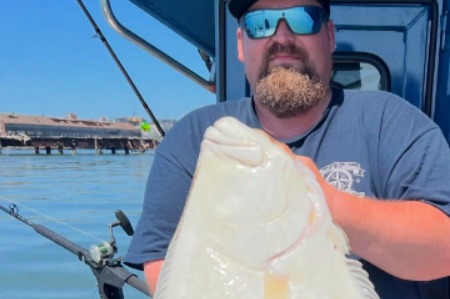
California Flounder Fishing in Sacramento - What to Expect
%2F%2Fusers%2Fbccae745-bd20-4f5e-b8a3-18542b056292%2Fimages%2Fcalifornia-flounder-fishing-sacramento-2815.jpg&w=1920&q=75)
Fishing Charter by Captain James Powers in June
- Top San Francisco Fishing Charters



Summary
Join Captain James Powers of Norcal Traditions Sportfishing on Friday, June for an expert Sacramento fishing charter targeting California flounder. This guided fishing experience combines local knowledge, proven tactics, and productive waters for an unforgettable day on the water.
Fishing Charter with Captain James Powers - Rates & Booking
Captain James Powers of Norcal Traditions Sportfishing specializes in Sacramento area fishing charters targeting California flounder and other species that thrive in Northern California waters. With deep local expertise and a commitment to successful outings, Captain Powers brings professional technique and insider knowledge to every charter.
A fishing charter with Captain James Powers combines access to proven fishing grounds with expert instruction and guidance. Whether you are new to saltwater fishing or an experienced angler, the charter experience is tailored to match your skill level and fishing objectives. All fishing is conducted with respect for local regulations and sustainable fishing practices.
To book your Sacramento fishing charter or learn more about available dates and pricing, contact Norcal Traditions Sportfishing directly. Captain Powers works with anglers throughout the year to plan fishing adventures that match seasonal conditions and target species.
Highlights of Sacramento Bay Flounder Fishing
California flounder fishing around Sacramento offers consistent action and the opportunity to land quality fish in productive bay waters. The experience combines the thrill of active fishing with the natural beauty of Northern California's coastal and bay ecosystems. Charter participants benefit from Captain Powers' ability to read water conditions, identify active feeding zones, and position the boat for optimal fishing opportunities.
The combination of tidal movements, underwater structure, and seasonal flounder migration patterns creates dynamic fishing conditions throughout the year. Captain Powers' local knowledge means you are fishing with someone who understands how these factors influence flounder behavior and activity patterns on any given day.
Local Species Insights: California Flounder
California flounder, also known as Pacific flounder, are a premier inshore target species found throughout Northern California's bays and nearshore waters. These flatfish are bottom-dwellers that use camouflage and ambush tactics to hunt smaller fish and crustaceans. Flounder adapt their coloration to match surrounding substrate, ranging from light sandy tones to darker browns and grays.
The flounder's unique anatomy - with both eyes positioned on one side of its flattened body - allows it to remain partially buried on the seafloor while scanning for prey above. This behavior pattern directly influences fishing techniques and presentation methods. Successful flounder anglers use bottom-hugging lures, live bait presentations, and vertical jigging methods that mimic natural prey movements near the ocean or bay floor.
Flounder inhabit sandy and muddy substrates in bays, estuaries, and nearshore zones where depth ranges from shallow flats to deeper channels. Sacramento Bay provides ideal habitat with its combination of sandy bottoms, protective structure, and reliable food sources. Seasonal patterns influence flounder concentration, with spring and early summer typically offering excellent fishing opportunities as fish move into shallower areas.
When hooked, California flounder provide spirited resistance, using their powerful lateral muscles and broad body to create significant drag. The fight is distinctive - a combination of head shakes and lateral runs that tests angling skill and tackle quality. Landing a quality flounder represents a genuine achievement on any fishing charter.
Captain James Powers understands flounder behavior, seasonal movements, and presentation techniques that consistently produce results. His approach balances technical fishing knowledge with the ability to adapt to daily water conditions, ensuring you are fishing with methods proven effective for the current day's circumstances.
Plan Your Fishing Charter Day
A typical day on a Sacramento fishing charter with Norcal Traditions Sportfishing begins with an early departure to capitalize on optimal tidal windows and morning feeding periods. Captain Powers manages all navigation and boat handling, allowing you to focus entirely on fishing. The charter experience typically includes instruction on proper casting technique, lure selection, and presentation methods tailored to current conditions.
Comfort and safety are prioritized throughout the outing. The vessel is equipped for extended time on the water, with adequate shade, seating, and protection from the elements. All passengers should bring sun protection, wear appropriate footwear with good grip, and dress in layers to adapt to changing weather conditions common to Northern California bay fishing.
Fishing in San Francisco: California Flounder

California Flounder Overview
Welcome to the world of the California Flounder (Paralichthys californicus), a fascinating member of the Paralichthyidae family within the order Pleuronectiformes. This unusual flatfish is one of Southern California's most intriguing bottom dwellers, known for its distinctive small head, formidable teeth, and remarkable ability to vanish into the sandy seafloor. What makes the California Flounder particularly special is that it breaks the mold of typical flatfish behavior—roughly half the population is right-eyed rather than left-eyed, making it genuinely atypical among its cousins. Whether you're an angler exploring the waters off Southern California or a curious seafood enthusiast, this species offers both challenge and culinary reward.
California Flounder Habitat and Distribution
The California Flounder thrives along the Pacific coast, ranging from Magdalena Bay in Baja California, Mexico, all the way north to the Quillayute River in British Columbia. You'll also find populations in the upper Gulf of California. The heart of their activity, however, centers around Southern California and the San Francisco Bay area, where they prefer sandy and muddy sediments on the ocean floor. These fish are demersal by nature, meaning they spend most of their adult lives hugging the bottom in inshore and nearshore waters, typically found between 100 and 330 feet of water. They congregate in bays and estuaries for spawning and juveniles settle in nurseries before eventually migrating toward the open coast as they mature. Some adventurous individuals venture near the surf zone, but most remain content in deeper, calmer waters.
California Flounder Size and Weight
California Flounder typically range from 54 to 60 inches in length, with weights generally between 6 and 30 pounds. However, specimens have been documented reaching at least 60 inches and weighing up to 72 pounds—truly impressive catches for dedicated anglers. These fish can live remarkably long lives, with some individuals reaching 30 years of age. Their oval-shaped body is noticeably more compact than the Pacific Halibut, which they're often mistaken for, and their dorsal and anal fins sport a more curved appearance compared to the more angular fins of their larger cousins. The eyed side typically displays greenish-brown or greyish coloring speckled with patterns, while the blind side is pale white or cream colored.
California Flounder Diet and Behavior
Though the California Flounder spends most of its time resting motionless on the seafloor, it's far from a passive feeder. When hunger calls, this fish becomes an active predator, using its exceptional camouflage and sharp teeth to ambush unsuspecting prey. It readily chases down meals, sometimes rising toward the surface in pursuit of food—behavior that occasionally brings it to the attention of observant anglers. The diet consists primarily of squids, sardines, and anchovies, though it will take other small fish species. Their sharp teeth and powerful bite are nothing to trifle with; anglers are strongly advised to handle these fish with care and respect. The California Flounder's color-changing abilities are genuinely impressive, allowing it to match the exact shade of the surrounding seafloor within minutes, making it nearly invisible to both prey and predators alike.
California Flounder Spawning and Seasonal Activity
The California Flounder exhibits interesting lifecycle patterns that influence angling success. Juveniles begin life as pelagic swimmers with eyes on both sides of their heads. As they mature over their first year, their eyes migrate to one side, and they begin their descent toward the bottom. Males typically reach maturity around 2 to 3 years and make their way toward the open coast, while females grow significantly larger before undertaking their coastal migration. Late spring marks the spawning period, making this season particularly productive for anglers targeting California Flounder. While the species isn't highly migratory, these seasonal movements create predictable hotspots and windows of opportunity that experienced anglers know well. Year-round availability means you can pursue this species almost any time, but timing your effort around the spawn dramatically increases your odds of success.
California Flounder Techniques for Observation and Capture
Flounder Gigging: One of the most effective and exciting methods for targeting California Flounder is night-time gigging from shallow-draft flats boats. Anglers deploy LED lights aimed at the bottom, which prevents the flounder from changing colors and blending into the seafloor. This technique makes the fish highly visible and vulnerable. Using a gig with multiple prongs, you strike quickly once a target is spotted. This method is especially popular in bays and shallow nearshore areas and requires stealth, patience, and good lighting equipment.
Drift Fishing with Light Tackle: For a more traditional approach, drift fishing over sandy bottoms with light tackle yields excellent results. Cast live bait—bull minnows, live squid, sardines, Pacific mackerel, mullet, pinfish, spots, croakers, or shrimp—and allow your line to drift with the current. A trap hook setup is recommended because California Flounder often mouth bait rather than fully committing to strikes. If you hook one, expect a determined but not particularly acrobatic fight. Around Southern California's coastal bays and near-shore drop-offs, this technique produces consistent catches from spring through early fall.
Artificial Lures: While live bait outperforms artificials significantly, bouncing small plastic grubs on jig heads along the bottom can produce moderate success for anglers willing to cover water. This technique works best during active feeding periods and requires patience and a sensitive touch to detect strikes.
California Flounder Culinary and Utilization Notes
The California Flounder earns top marks at the dinner table. When served raw, it boasts a clean, buttery flavor and tender texture that sushi enthusiasts appreciate. For cooked preparations, the flesh is remarkably forgiving, readily absorbing complementary flavors from sauces, herbs, and cooking methods. The key to success is a light hand—overcooking toughens the meat quickly, so brief cooking methods like pan-searing, poaching, or light baking work best. A single serving of California Flounder provides approximately 30 percent of an adult's recommended daily protein intake and delivers excellent sources of omega-3 fatty acids, vitamins B-6 and B-12, and potassium. The skin shrinks only moderately during cooking, making it ideal for filleting and pan-frying without distortion. For health-conscious diners and culinary adventurers alike, this species represents a sustainable, nutritious, and delicious choice.
California Flounder Frequently Asked Questions
Q: What is the best bait for catching California Flounder?
A: Live bait significantly outperforms artificial lures for this species. Bull minnows, live squid, sardines, Pacific mackerel, mullet, pinfish, spots, croakers, and shrimp are all effective. Use a trap hook setup to maximize hooking opportunities, as California Flounder often mouth bait before fully committing to a strike.
Q: Where can I find California Flounder near Southern California?
A: The best populations occur in bays and estuaries from San Francisco southward along the California coast. Look for sandy or muddy bottoms in depths of 100 to 330 feet. Specific hotspots include San Diego Bay, Huntington Harbor, Newport Harbor, and various nearshore areas along the Orange County and Los Angeles coasts.
Q: Is California Flounder good to eat?
A: Absolutely! California Flounder is considered excellent for the table. It features buttery, clean-tasting flesh that readily absorbs flavors. Cook it quickly with a light touch to preserve tenderness, and you'll enjoy a highly nutritious meal rich in protein, omega-3s, and B vitamins.
Q: When is the best time to catch California Flounder?
A: While available year-round, late spring during the spawning season offers the most productive fishing. Summer and early fall also provide excellent opportunities. Night-time gigging is effective year-round, particularly in shallow bays.
Q: How do I handle California Flounder safely?
A: Exercise extreme caution with the sharp teeth—these fish can bite hard and cause injury. Use a wet glove or cloth to grip them, avoid placing fingers near the mouth, and consider using a fish gripper designed for flatfish.
Q: Are California Flounder and Pacific Halibut the same fish?
A: No. California Flounder is smaller with a more oval body and more curved fins compared to the Pacific Halibut's larger, more angular frame. Additionally, roughly half of California Flounder populations are right-eyed, which is atypical for flatfish—a trait that distinguishes them from Pacific Halibut.